
Veneration X
The History We Honor
Japan → Brazil → Hawaiʻi
At Veneration X, we honor the people, traditions, and hard-earned knowledge that shaped the martial arts we practice. Brazilian Jiu-Jitsu is not the story of one family alone, nor is its history separate from the wider world of grappling. It is a story of exchange: Japanese Judo and Jujutsu, Brazilian teachers and fighters, Catch Wrestling, Luta Livre, challenge matches, and generations of practitioners who carried these arts forward.
This archive presents the traditional Gracie family account alongside historical research that broadens the picture. Where accounts differ, we say so. Respect does not require us to ignore evidence, and historical inquiry does not require us to diminish anyone's contribution.
1. Japan to Brazil: The Foundations
Mitsuyo Maeda, also known as Count Koma, was a Japanese Kodokan judoka who traveled internationally and eventually settled in Brazil. The traditional Gracie account connects Maeda with Gastão Gracie and says that Carlos Gracie learned from Maeda's circle before teaching his brothers.
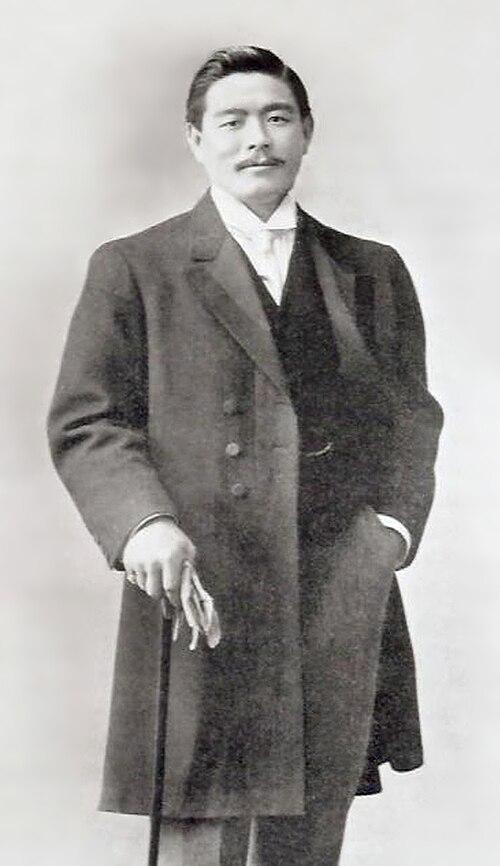
It is important to distinguish the broad historical connection from details that remain debated. Researchers continue to examine exactly who trained directly with Maeda, for how long, and through which intermediaries. The evidence does not support treating every later lineage story as settled fact.
2. The Gracie Family and the Development of Brazilian Jiu-Jitsu
Carlos Gracie became a central organizer, teacher, and promoter of the family's Jiu-Jitsu academy. Hélio Gracie became especially associated with leverage, timing, positional control, and adapting technique to make it effective against larger opponents. Their academy, students, public demonstrations, and challenge matches helped establish the Gracie name as a major force in Brazilian grappling.
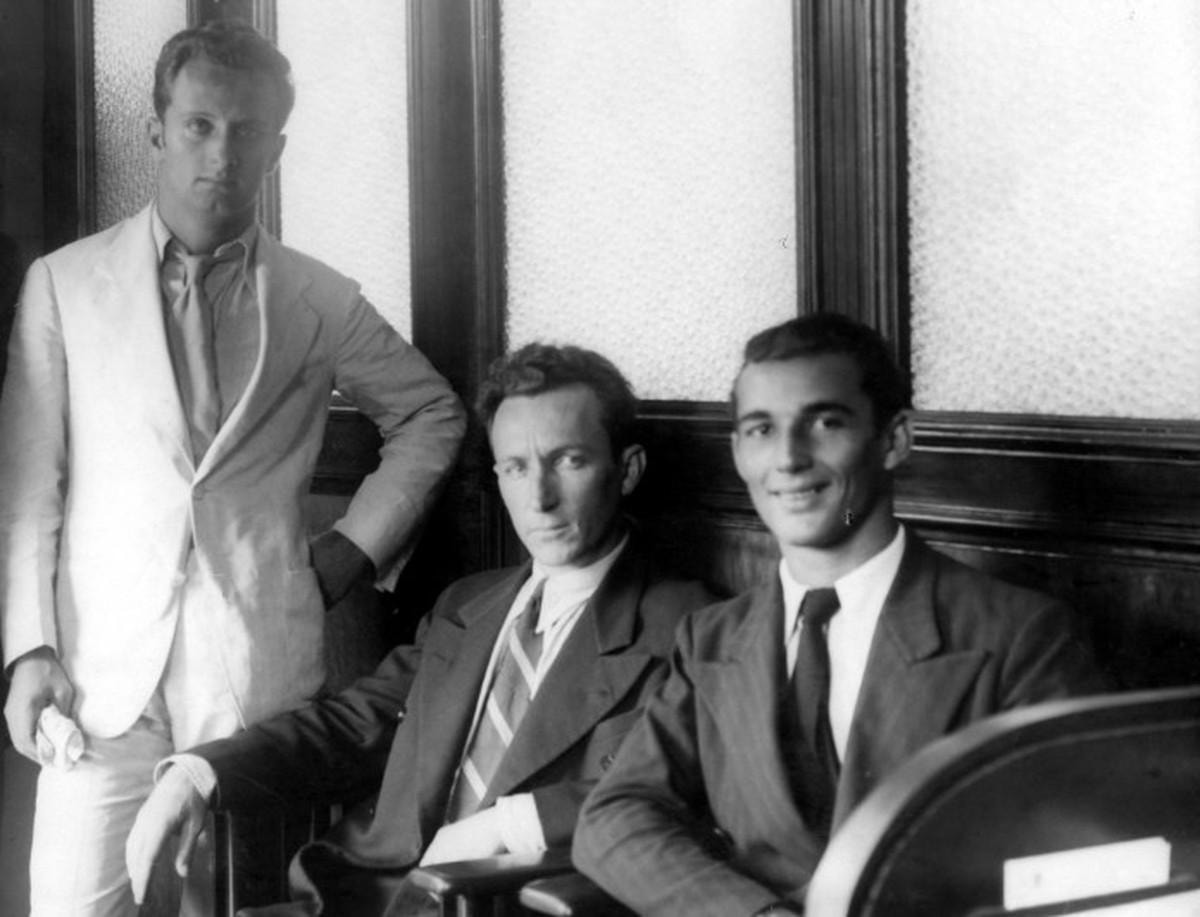
George "Gato Ruivo" Gracie deserves recognition in his own right. He was a prolific fighter who competed in Jiu-Jitsu, Luta Livre, wrestling, and Vale Tudo. His career demonstrates that the early Gracie story included cross-style competition and exchange, not a sealed-off system.
The Gracie contribution is substantial and should be honored: they built influential schools, developed generations of fighters, helped shape the public identity of Brazilian Jiu-Jitsu, and carried the art far beyond Brazil. Recognizing other contributors does not take away from that legacy.
3. Another Brazilian Lineage: Luiz França and Oswaldo Fadda
The history of Brazilian Jiu-Jitsu also includes Luiz França Filho and his student Oswaldo Baptista Fadda. Fadda built an important school and lineage outside the dominant Gracie academy network. His work helped make Jiu-Jitsu available to working-class communities and people who had often been excluded from more elite training environments.
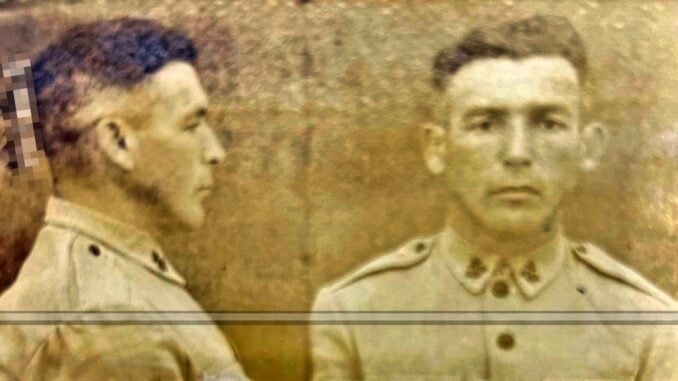
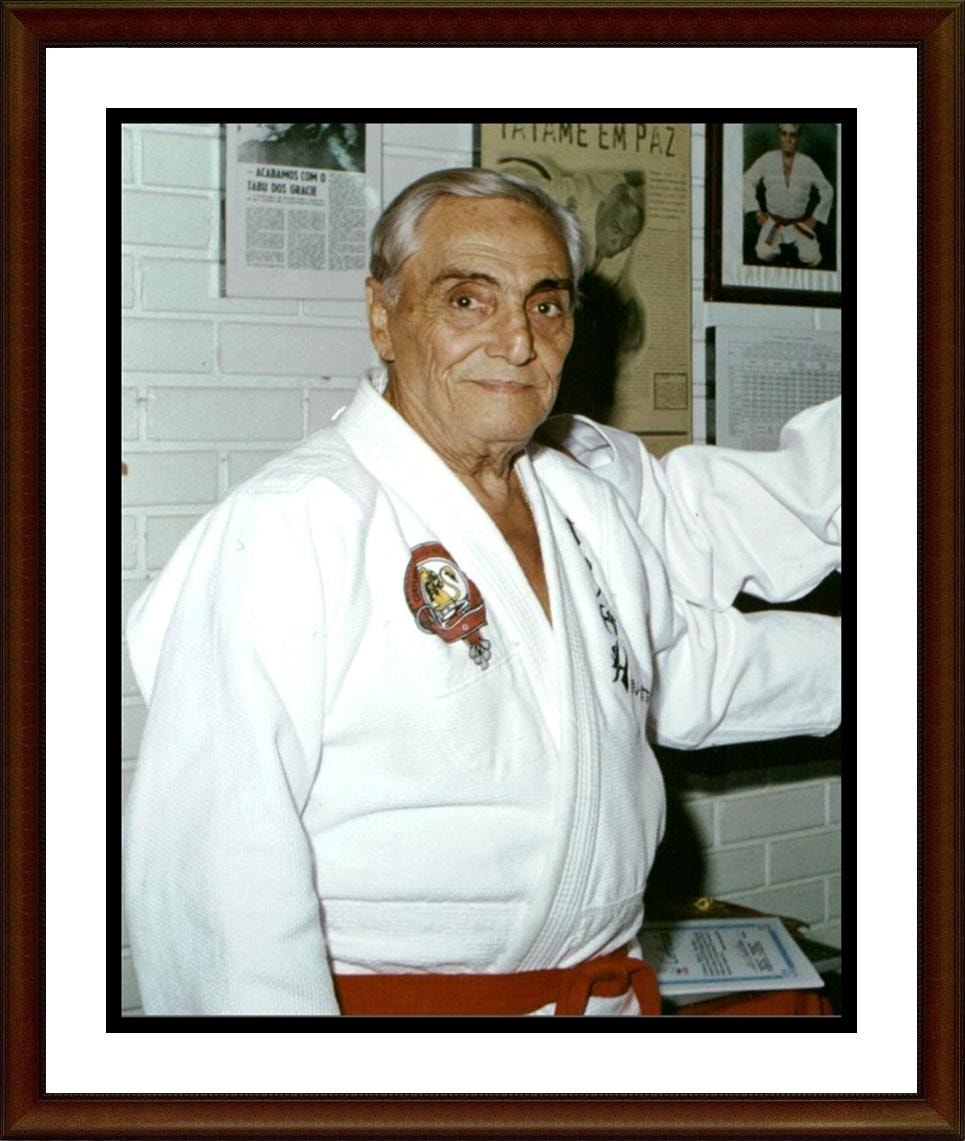
Fadda's importance is not simply that he represented an alternative family or academy. His schools expanded access to training, and his students helped preserve a lineage that became part of the wider BJJ landscape. His academy also became known for its work with footlocks and other forms of grappling not always emphasized in the best-known Gracie curriculum.
There is an important historical debate about França's own training background. Some lineage accounts connect him to Japanese teachers such as Maeda, Soshihiro Satake, and Geo Omori. Research discussed by Robert Drysdale argues that currently available evidence does not establish those direct links. The record remains incomplete. Ven X presents the competing accounts openly rather than pretending the question is settled.
4. Catch Wrestling, Luta Livre, and the Wider Grappling World
Catch-as-Catch-Can wrestling developed as a submission-oriented wrestling tradition with pins, rides, controls, takedowns, and submissions. It became part of the international grappling environment that Japanese judoka and professional wrestlers encountered during the late nineteenth and early twentieth centuries.
Maeda competed in wrestling and mixed-rules contests during his travels, including encounters with Catch-as-Catch-Can wrestlers. These contests placed him within a wider international exchange of grappling knowledge. The influence should not be dismissed, nor should it be overstated as a claim that BJJ was simply Catch Wrestling under another name.
At Veneration X, our teaching philosophy recognizes Japanese Judo/Jujutsu and Catch-as-Catch-Can Wrestling as two major parent traditions in the broader development of Brazilian Jiu-Jitsu.
Technique names also reveal important parallels. The BJJ Kimura is mechanically related to the Catch Wrestling double wrist lock; the omoplata has a close counterpart in the Catch coil lock; and the leg configuration used for the triangle choke is also known in Catch circles as a figure-four leg choke. These are useful comparisons, not proof of exclusive ownership or a single direct line of transmission.
In Brazil, the term Luta Livre became closely associated with no-gi submission grappling and Catch-as-Catch-Can influences. The early grappling scene was not divided into the neat categories familiar today. Fighters crossed styles, accepted challenges, and tested their skills under different rules.
5. George Gracie and the Catch Wrestling Connection
George Gracie's story is particularly relevant to Ven X because it shows a member of the Gracie family moving across grappling traditions. Historical research describes George as training and competing in Luta Livre as well as Jiu-Jitsu and wrestling. Accounts connect him with Luta Livre instructor Orlando Américo da Silva, known as "Dudú," and report that George competed in Catch-as-Catch-Can/Luta Livre events.
It is more accurate to describe George as a Gracie fighter who cross-trained and competed across styles than to reduce him to a single label. This is an example of the cross-pollination Ven X recognizes: Brazilian Jiu-Jitsu developed in a world where Judo/Jujutsu and Catch-influenced wrestling were not isolated from one another.
6. A History of Rivalry, Challenge, and Exchange
Brazilian grappling developed through academies, public demonstrations, newspaper challenges, tournaments, and professional contests. The Gracie family became famous through this environment, but they were not the only participants. Teachers such as França and Fadda, Japanese instructors, independent Brazilian academies, wrestlers, and Luta Livre fighters all contributed to the evolving culture.
Rivalries could be intense, and later histories sometimes emphasized one lineage while overlooking others. A responsible archive acknowledges the achievements of each group while separating documented events from family tradition, oral history, and claims that remain disputed.
7. Brazilian Jiu-Jitsu Reaches Beyond Brazil
As Brazilian Jiu-Jitsu spread internationally, different Gracie family members and other Brazilian instructors helped establish schools abroad. In the United States, Carley Gracie was among the early family members to teach, while Rorion Gracie later played a major role in expanding the art in California and introducing it to a much wider audience through the early Ultimate Fighting Championship era.
This wider expansion was built on the work of many instructors, competitors, and students who carried the art into new communities.
8. Relson Gracie and the Hawaiian Chapter
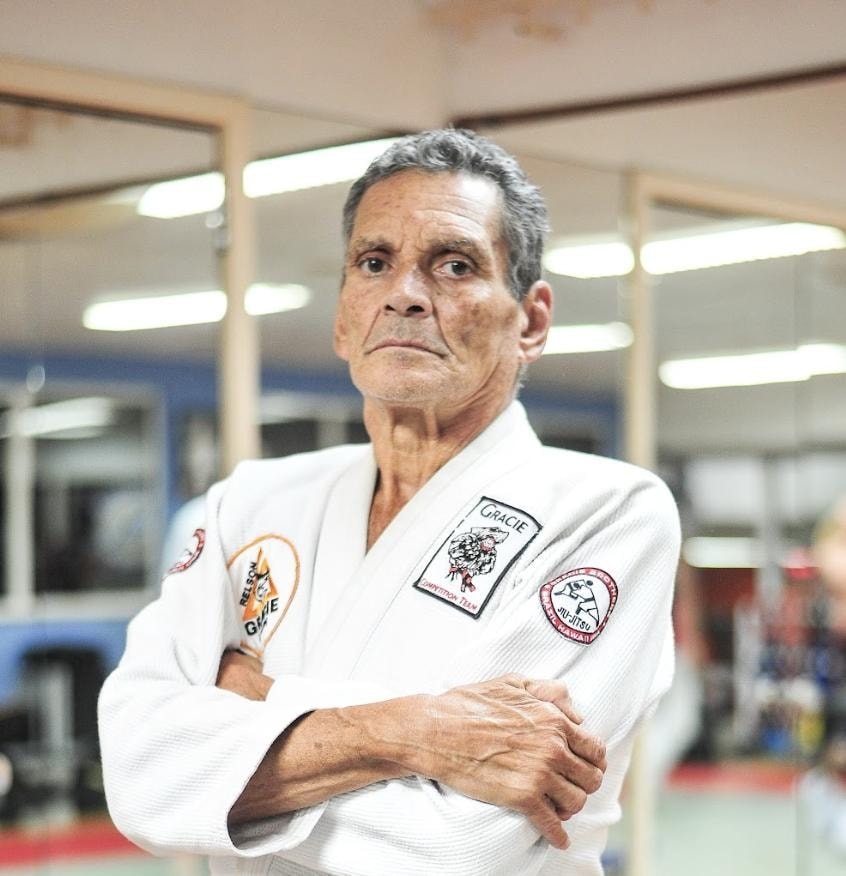
Relson Gracie's move to Honolulu and the establishment of his academy in Hawaiʻi in 1988 became an important chapter in the local history of Brazilian Jiu-Jitsu. His teaching helped establish a strong foundation for the art in the islands and influenced generations of practitioners. Hawaiʻi became a place where Brazilian Jiu-Jitsu continued to grow, develop its own community, and connect with other martial traditions.
Veneration X has no direct connection to Relson Gracie or his lineage. Our BJJ lineage runs through Carlos Catania. We honor Relson here because his work growing Jiu-Jitsu in Hawaiʻi is part of the broader history that made the art available in these islands — and that history deserves acknowledgment regardless of affiliation.
9. What Veneration X Honors
Ven X is a Jiu-Jitsu and Catch Wrestling school. We honor Brazilian Jiu-Jitsu as a living art shaped by Japanese foundations, Brazilian innovation, and the work of many teachers and fighters. We also honor Catch Wrestling as a legitimate grappling tradition whose methods and practitioners belong in the wider history of submission grappling.
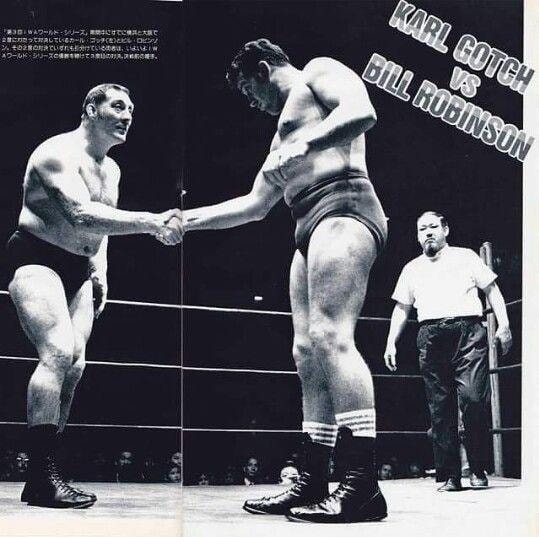
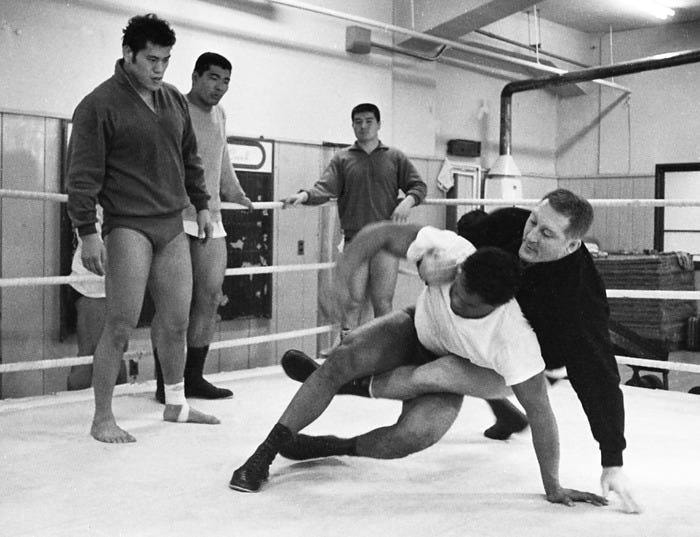
Our Catch Wrestling lineage traces through Karl Gotch and Billy Robinson. We do not treat Jiu-Jitsu and Catch Wrestling as competing histories. We train with respect for both, recognizing their distinct identities, their points of exchange, and the people who preserved their knowledge.
Ven X also teaches Arnis, another tradition with its own heritage and principles. Our responsibility is to preserve what has been entrusted to us, teach with integrity, and give credit where it is due.
References
Historical Photographs and Archival Sources — APA 7th Edition
- American Catch Wrestling Association. (n.d.). Karl Gotch teaching catch wrestling [Photograph]. https://www.americancatchwrestling.com/
- GracieMag. (n.d.). George Gracie: O Gato Ruivo [Historical photographs]. https://www.graciemag.com/academias/george-gracie/
- JIUJITSUBJJ. (2026, March 19). Grande mestre Luiz de França Filho, a verdadeira identidade [Historical photograph and article]. https://jiujitsubjj.com/grande-mestre-luiz-de-franca-filho-a-verdadeira-identidade/
- JIUJITSUBJJ. (2023, March 3). Fachadas da academia Fadda: 1936–1972–2022 [Archival photographs]. https://jiujitsubjj.com/fachadas-da-academia-fadda-1936-1972-2022/
- O Globo. (2022). Indulto: O crime dos irmãos Gracie nos anos 1930 e o perdão de Getúlio Vargas [Archival photographs]. https://oglobo.globo.com/blogs/blog-do-acervo/post/2022/04/indulto-o-crime-dos-irmaos-gracie-nos-anos-1930-e-o-perdao-de-getulio-vargas.ghtml
- Portal do Vale Tudo. (n.d.). Relson Gracie [Photograph]. https://www.websocialfiles.com/009646/images/Relsonpose.jpg
- Catch Wrestling community archive. (n.d.). Karl Gotch and Billy Robinson [Historical photograph]. https://i.pinimg.com/736x/35/ec/26/35ec2608c7ef2901f08e313533f2b41d.jpg
- Jiu Senkan. (n.d.). Mitsuyo Maeda (Count Koma) [Historical photograph]. https://jiusenkan.jp/
Photograph Attribution Statement
The photographs included in this educational archive are reproduced for historical and instructional reference. Copyright remains with the original photographers, estates, publishers, archives, or other respective rights holders. Veneration X does not claim ownership of these photographs.
Every effort has been made to identify the original source of each image. Where the photographer or original publication date could not be established, the reference uses the available organization or archive information and the designation "n.d." (no date).
Attribution is provided in accordance with APA-style reference conventions. Attribution does not constitute permission to reproduce copyrighted material. Reproduction rights must be confirmed with the applicable rights holder before public distribution or commercial use.
Veneration X — Honor the Art. Preserve the Tradition.